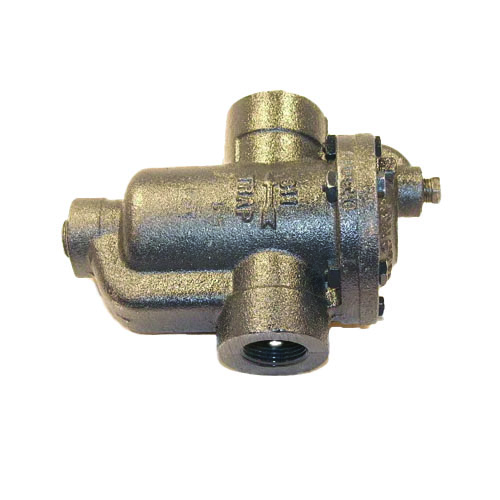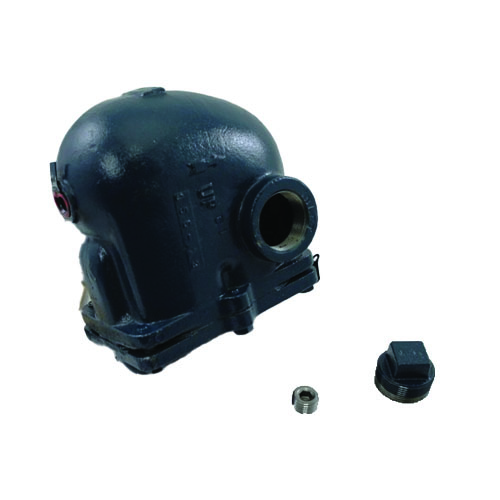
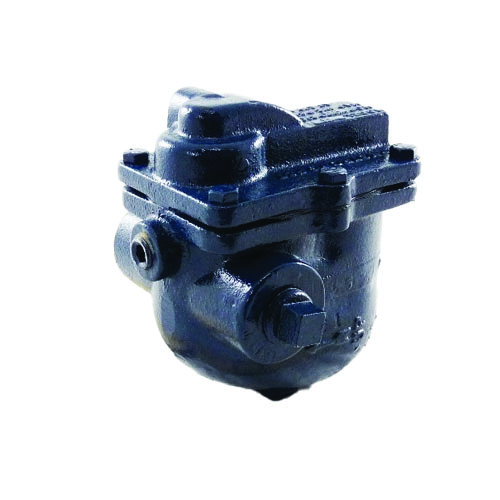
Description
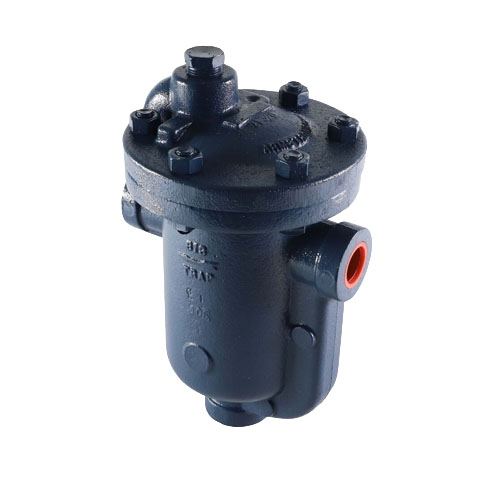
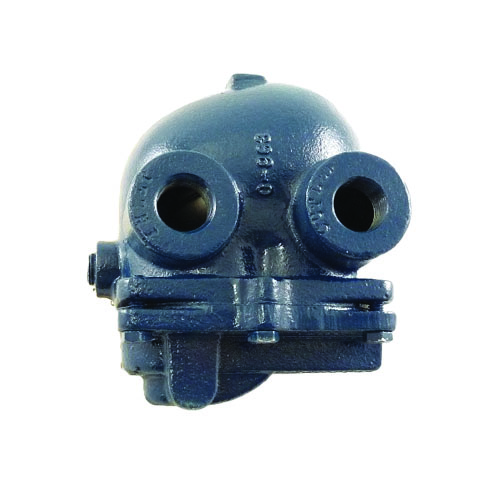
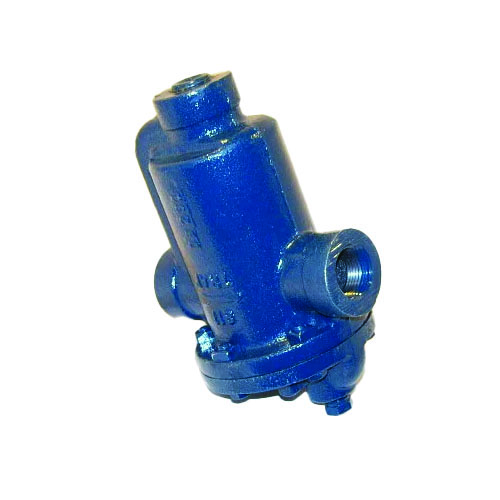
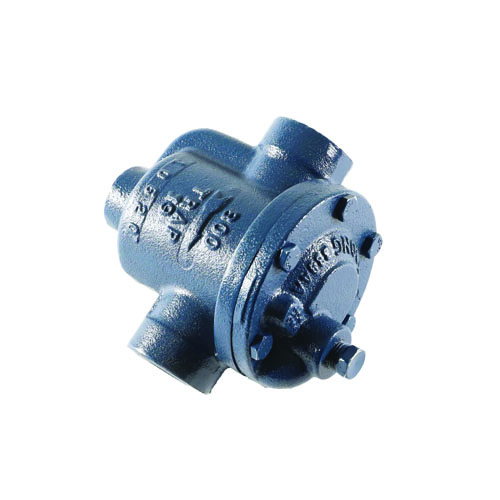
The Armstrong International 175A3 is a Series A Cast Iron Float & Thermostatic (F&T) Steam Trap engineered for reliable, continuous condensate discharge in a wide range of steam heating and process applications. With a robust cast iron body and standard 3/4″ NPT connections, this trap is built to handle demanding commercial and industrial steam systems.
Key Features
- Series A cast iron body construction for long-lasting durability in steam service
- Float & thermostatic (F&T) design provides continuous condensate discharge and automatic air venting
- Standard 3/4″ NPT inlet and outlet connections for straightforward installation
- Rated to 175 PSI maximum operating pressure
- 7/64″ orifice sizing optimized for controlled condensate flow rates
- Integrated thermostatic air vent purges non-condensable gases automatically, improving system efficiency
- Float mechanism responds instantly to condensate levels, minimizing steam loss and water hammer
Product Specifications
- SKU: 175A3
- Brand: Armstrong International
- Series: Series A
- Body Material: Cast Iron
- Connection Type: Standard NPT
- Connection Size: 3/4″ NPT
- Maximum Operating Pressure: 175 PSI
- Orifice Size: 7/64″
- Trap Type: Float & Thermostatic (F&T)
- Air Vent: Thermostatic Air Vent Included
Applications
- Steam heating coils and unit heaters
- Heat exchangers and process equipment
- Steam distribution mains and drip legs
- Commercial and industrial boiler systems
- Steam tracing and temperature maintenance lines
Why Choose Armstrong F&T Steam Traps?
Armstrong International is a globally recognized leader in steam system solutions. The Series A F&T steam trap combines a buoyancy-driven float valve with a thermostatic bellows element to deliver continuous, modulating condensate discharge while simultaneously venting air and non-condensable gases. This dual-action mechanism helps maintain optimal heat transfer efficiency, reduces energy waste, and protects downstream equipment from the damaging effects of water hammer and air binding.