Description
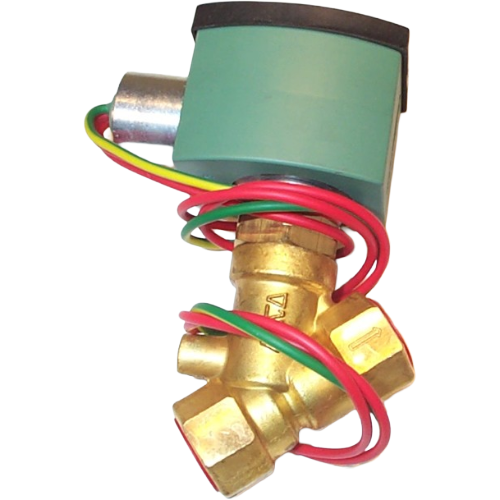
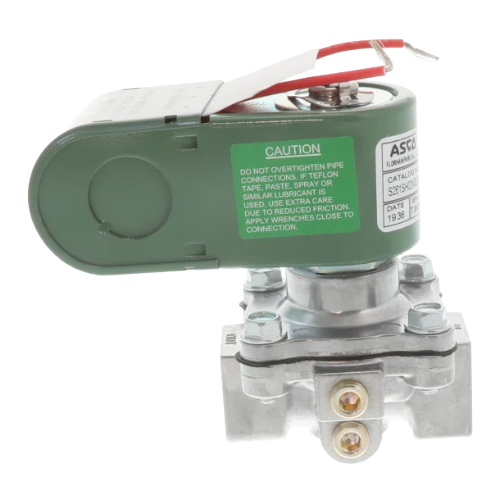
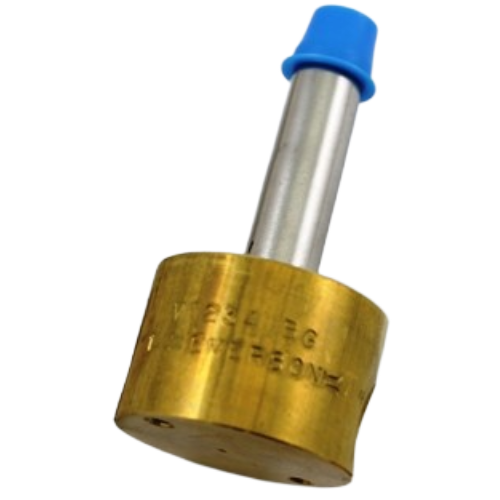
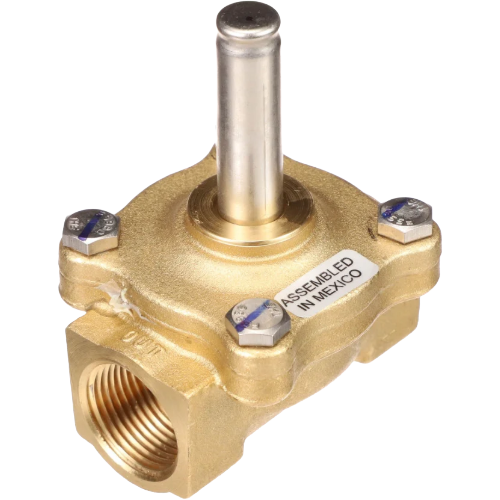
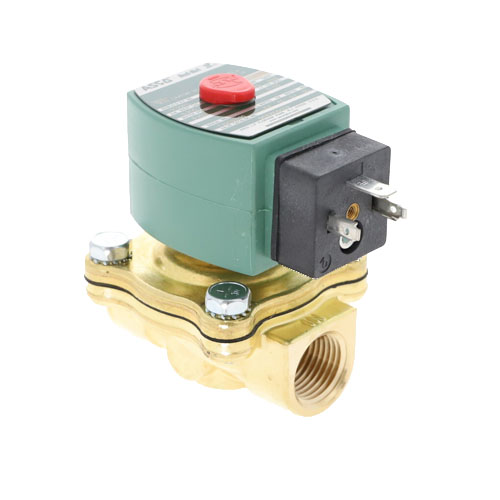
ASCO SC8210G2-24V General Service Solenoid Valve Overview
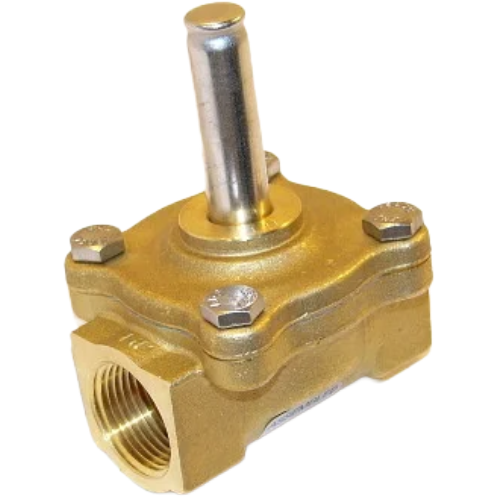
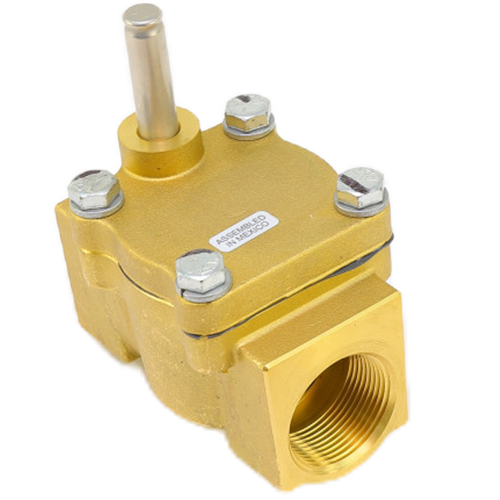
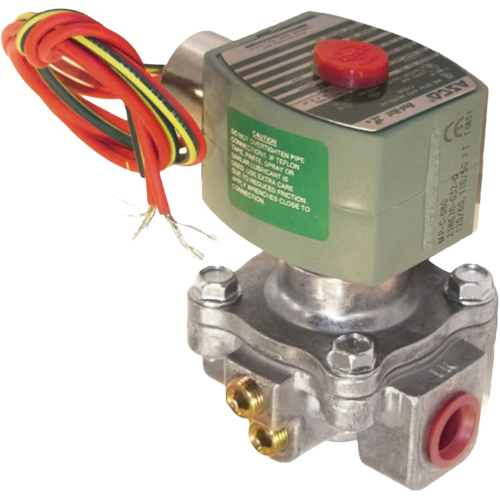
The ASCO SC8210G2-24V is a 2-way, normally closed, pilot-operated solenoid valve engineered for reliable general service applications across air, water, and light oil systems. Built with a robust brass body and NBR (nitrile) seals, this valve delivers dependable shutoff and flow control in demanding commercial and industrial HVAC environments.
Key Features
- 2-Way, Normally Closed (N/C) configuration — valve closes when de-energized for fail-safe operation
- 1/2″ NPT port connection for straightforward inline installation
- 24Vac operating voltage for compatibility with standard HVAC control circuits
- 4 Cv flow coefficient for efficient media throughput
- Pilot-operated design suitable for higher-flow, higher-pressure applications
- Brass body construction for corrosion resistance and long service life
- NBR (nitrile butadiene rubber) seals for compatibility with air, water, and light oil media
- NEMA 4X enclosure rating — provides protection against dust, dirt, splashing water, and corrosion
- DIN terminal connection for quick, standardized wiring and easy coil replacement
Pressure Ratings
- Air: 5–200 PSI
- Water: 5–150 PSI
- Light Oil: 5–135 PSI
Specifications
- SKU: SC8210G2-24V
- Brand: ASCO
- Valve Type: 2-Way Solenoid Valve
- Operation: Normally Closed (N/C)
- Actuation: Pilot Operated
- Port Size: 1/2″ NPT
- Voltage: 24Vac
- Flow Coefficient (Cv): 4
- Body Material: Brass
- Seal Material: NBR (Nitrile)
- Enclosure Rating: NEMA 4X
- Electrical Connection: DIN Terminals
- Media: Air, Water, Light Oil
Applications
The ASCO SC8210G2-24V is ideal for HVAC, plumbing, and light industrial systems requiring precise on/off fluid or gas control. Its NEMA 4X-rated enclosure makes it well-suited for wet, wash-down, or outdoor-exposed environments, while the DIN terminal design simplifies maintenance and coil swaps in the field.